
Examining Common Factors Behind Wall Damage
Cracks and holes in drywall can be a common problem for many homeowners. These issues not only affect the look of your walls but may also lead to more serious structural concerns if ignored. Understanding why these defects appear is crucial for proper maintenance and prevention. In this guide, we explore the various causes behind drywall cracks and holes, offering insights into how you can manage and prevent them effectively.
Impact of Temperature Fluctuations
The expansion and contraction caused by temperature changes often lead to drywall cracking. As the weather shifts from hot to cold, materials expand and contract, putting stress on the walls. Over time, this can cause visible cracks to develop. Regular monitoring and maintaining consistent indoor temperatures can help minimize this issue.
Foundation Settling Effects
As houses settle over time, their foundations may shift slightly. This movement can result in cracks appearing in the drywall as it adjusts to new positions. Minor settling is normal, but significant shifts require professional intervention to prevent further damage. For some homes, foundational repairs might necessitate drywall repair to restore wall integrity.
Poor Installation Techniques
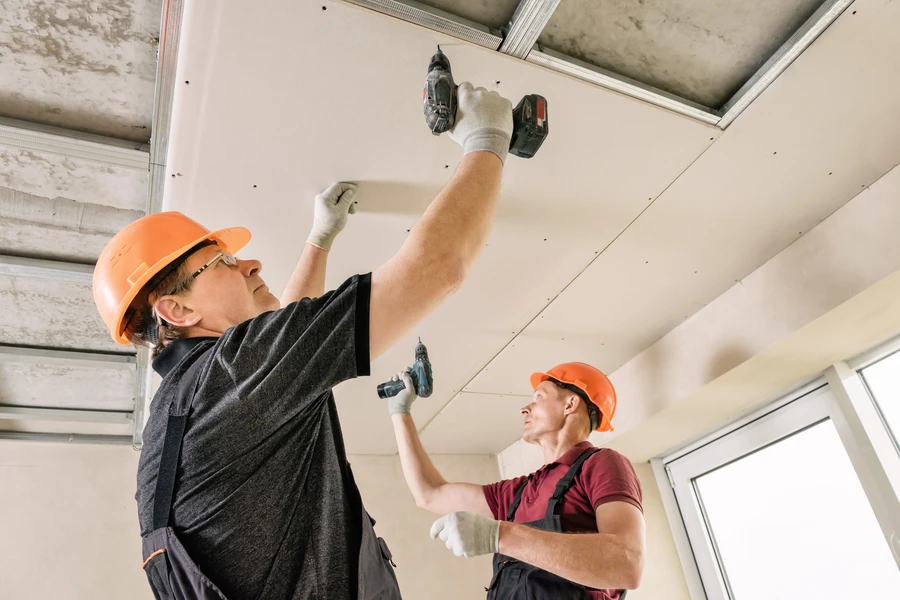
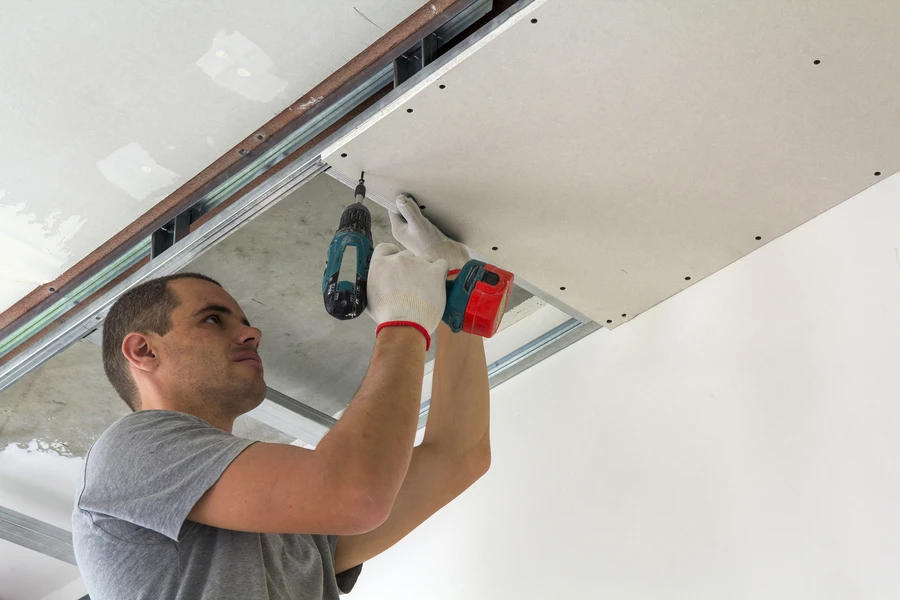
Improper installation of drywall is another common cause of cracks and holes. If the panels are not securely fastened or the joints aren’t properly taped, they are more prone to developing defects. Ensuring that professionals handle installation can mitigate these risks. It’s essential to choose skilled experts who understand the intricacies of drywall repair when needed.
Water Damage Concerns
Water exposure is a major culprit in damaging drywall. Leaks from pipes or roofs can soak into walls, weakening the material and leading to holes or sagging sections. It’s important to address any water-related issues promptly to avoid extensive damage. Using waterproof paint or sealants can add an extra layer of protection against moisture intrusion.
Structural Vibrations
Frequent vibrations from nearby construction or heavy traffic can impact drywall stability. These constant tremors might not seem harmful initially but can accumulate over time, causing stress on the walls. To combat this, reinforcing walls with additional supports during installation can provide better resistance against such movements.
Tips for Preventing Drywall Damage
- Maintain consistent indoor temperatures
- Address foundation issues promptly
- Ensure high-quality installation practices
- Protect against water infiltration
- Avoid unnecessary vibrations near walls
Cost Factors in Addressing Drywall Issues
Repair costs for drywall damage vary based on severity and underlying causes. Simple patchwork might be affordable, but deeper structural problems could require significant investment. Homeowners should consider potential expenses related to fixing foundational issues or extensive water damage. Working with experienced professionals ensures quality work and long-term savings.
Your Partner in Maintaining Wall Integrity
If you’re facing concerns with your drywall, addressing them quickly can save you time and money in the long run. Contact Jose Santos Drywall at (845) 386-7299 for expert advice on managing wall issues effectively. Our team serves clients throughout Middletown, NY, providing top-notch solutions tailored to your needs.