
The Impact of Moisture on Your Wall Structures
Moisture can significantly affect your home’s structure, especially the drywall. This common building material is susceptible to water damage, which can lead to a host of problems if not addressed promptly. It’s crucial to understand how moisture seeps into walls and what it does to the integrity of your drywall. Identifying the warning signs early can save you from costly repairs down the line. Let’s delve into how moisture affects drywall and explore effective repair solutions.
Understanding Moisture’s Effect on Walls
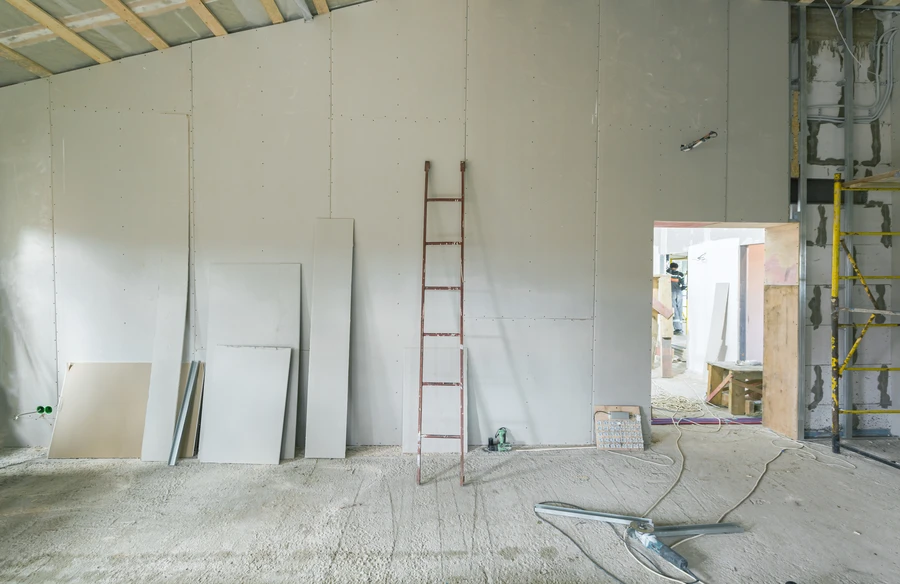
When drywall absorbs moisture, it loses its structural integrity. Water causes the material to swell and soften. Over time, this results in sagging or even collapse. Besides physical damage, damp walls often become breeding grounds for mold and mildew. These fungi not only deteriorate the wall further but also pose health risks to you and your family.
Common Problems Caused by Moisture
Moisture intrusion can cause several issues within your home. The most visible sign is staining or discoloration on walls or ceilings. You might also notice peeling paint or wallpaper. More severe cases involve bubbling or warping of the surfaces. Additionally, there may be a persistent musty odor, indicating mold growth behind the walls.
Identifying the Need for Drywall Repair
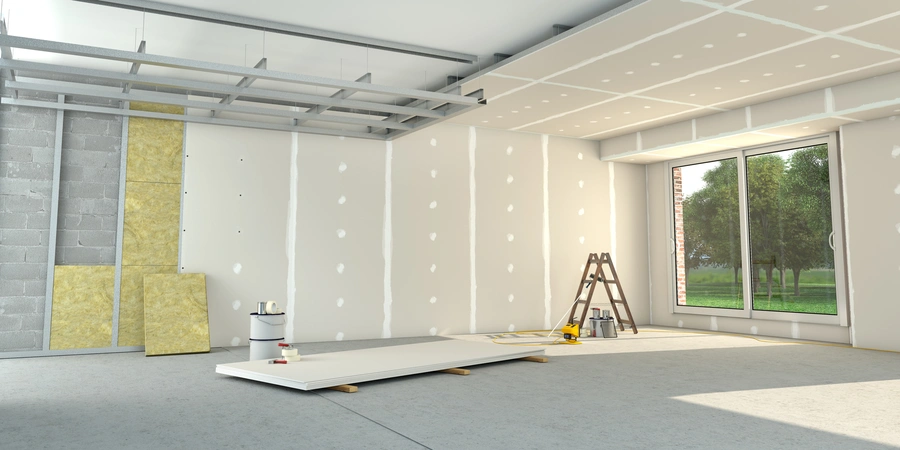
If you’ve noticed any of these symptoms, it may be time to consider drywall repair. Signs like soft spots, bulges, or cracks in your walls are indicators that professional intervention is needed. While minor damages can sometimes be fixed with patchwork, extensive moisture damage requires more comprehensive solutions to restore stability.
Effective Solutions for Restoring Your Walls
Tackling moisture-damaged drywall involves several steps. First, identify the source of moisture and address it directly. Without eliminating the root cause, any repair work will likely fail over time. Next, remove affected sections of drywall. Cut out all damp areas to prevent further mold spread. Once removed, replace with new drywall and seal it properly to prevent future issues.
- Identify and fix leaks or sources of excess moisture
- Remove damaged drywall sections entirely
- Install new panels securely and seal edges well
- Use mold-resistant materials for added protection
Best Practices With Wall Maintenance
Regular maintenance helps extend the life of your drywall. Keep humidity levels in check using dehumidifiers where necessary. Inspect your home periodically for water leaks or drainage issues. Ensure proper ventilation in high-moisture areas like bathrooms and kitchens. Using water-resistant paint provides an additional layer of protection against moisture penetration.
- Inspect regularly for signs of water entry
- Control indoor humidity levels effectively
- Ensure proper home ventilation systems are in place
- Apply water-resistant coatings annually
Cost Factors Involved With Repairs
The cost of repairing moisture-damaged drywall varies widely depending on severity. Basic patches may cost less than extensive replacements requiring new installations. Labor costs vary based on location and complexity of the job. Investing in quality materials upfront minimizes long-term expenses by preventing recurring issues.
Ensuring Long-Term Protection
To ensure longevity after repairs, focus on prevention strategies. Regularly inspect roofing, plumbing, and exterior finishes for vulnerabilities. Consider installing a vapor barrier if you live in a humid climate. Maintain a routine check-up schedule with professionals who provide insights into potential weak spots before they escalate.
Get Expert Help to Guard Against Moisture Damage
If you’re facing challenges with moisture-damaged walls, our expert team at Jose Santos Drywall is here to help. Located in Middletown, NY, we specialize in comprehensive solutions tailored to your needs. Call us today at (845) 386-7299 for professional advice and service tailored specifically for your home.